In today’s fast-paced digital world, most of us spend over 90% of our time indoors, disconnected from the natural environment. This separation can lead to fatigue, stress, and a longing for fresh air and natural surroundings. Enter Biophilic Interior Design—a growing design philosophy centered on human beings’ innate desire to connect with nature.
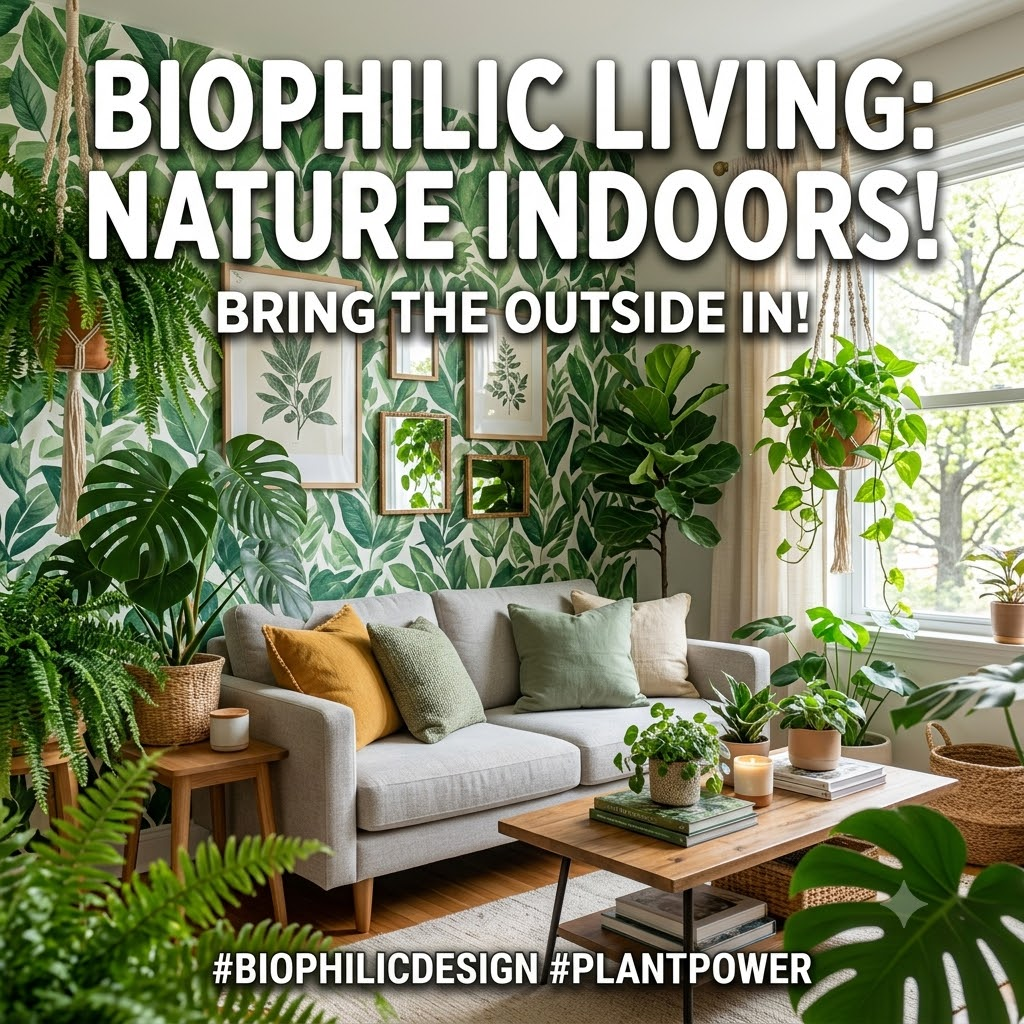
Derived from the word biophilia, meaning “love of life or living systems,” this design approach goes beyond simply placing a potted plant on a windowsill. It’s about creating a harmonious environment that incorporates natural elements to improve mental health, boost productivity, and transform your home into a soothing sanctuary.

Here is how you can effortlessly integrate biophilic design principles into your living space.
1. Maximize Natural Light and Fresh Air
Sunlight and fresh air are the foundational elements of biophilic design. They regulate our circadian rhythms, elevate mood, and instantly revitalize a room.
- Ditch Heavy Drapery: Replace thick, dark curtains with sheer fabrics or natural linen drapes that allow diffused sunlight to flood your home.
- Position Furniture Near Windows: Place reading nooks, desks, or main seating arrangements where you can easily look outside and enjoy views of the sky or greenery.
- Keep Air Circulating: Open windows daily to let fresh air flow through, or use air-purifying devices alongside natural ventilation to keep indoor air crisp.
2. Embrace Indoor Plants and Greenery
Living plants are the most direct way to bring nature indoors. They serve as dynamic, living decor pieces while actively filtering indoor air toxins.
- Layer Different Varieties: Mix plants of varying heights, leaf shapes, and textures. Pair tall upright plants like a Fiddle Leaf Fig or Snake Plant with cascading trailing vines like Pothos or English Ivy.
- Create Living Features: If floor space is tight, consider hanging planters, wall-mounted plant pockets, or a small vertical moss wall as a stunning focal point.
- Choose Low-Maintenance Options: If you don’t have a green thumb, start with resilient plants like Zamioculcas (ZZ Plant) or Succulents that thrive with minimal care.
3. Incorporate Organic Materials and Textures
Engaging your sense of touch with organic materials creates a tactile connection to the natural world.
- Raw Wood and Stone: Choose furniture made of reclaimed wood, bamboo, rattan, or unpolished stone (such as marble, slate, or travertine).
- Natural Textiles: Layer your sofa and bedding with organic cotton, linen, jute, wool, and woven hemp instead of synthetic materials.
- Handcrafted Details: Clay pots, woven wicker baskets, and handcrafted ceramics add warmth, authenticity, and visual richness.
4. Opt for Earthy Color Palettes
Color strongly influences our emotions. Biophilic color palettes draw inspiration from landscapes—forests, coastlines, deserts, and meadows—to evoke a sense of calm.
- Soothing Greens: From muted sage to deep forest green, green tones visually connect the indoors with outdoor foliage.
- Warm Earth Tones: Terracotta, warm beige, ochre, sand, and taupe ground the space and make it feel cozy and safe.
- Calming Blues: Soft sky blue and deep ocean hues promote tranquility, making them ideal for bedrooms and bathrooms.
5. Harness Natural Shapes and Patterns
In nature, rigid straight lines and perfect right angles are rare. Biophilic design embraces fluid, organic, and curvy forms.
- Curved Furniture: Look for rounded coffee tables, arched doorways, or sofas with soft, curved silhouettes that feel smooth and comforting.
- Botanical Motifs: Incorporate wallpapers, rugs, or artwork featuring subtle leaf patterns, waves, or abstract natural geometry (fractals).
Final Thoughts
Biophilic interior design is far more than a passing home decor trend—it’s a lifestyle shift toward wellness, sustainability, and mindful living. By welcoming natural light, real plants, organic textures, and earthy tones into your living space, you can build a restorative home environment that nurtures your mind, body, and spirit every day.